Frequently Asked Questions About Accreditations & DNO Approval
How much can i realistically save on my energy bills with solar?
Most UK homes save between £400 and £1,100+ per year on their electricity bills Your exact savings depend on system size daytime power usage and whether you add battery storage to capture unused solar energy.
Do solar panels work effectively during UK winters or cloudy days?
Yes. Solar PV panels require daylight rather than direct sunlight to generate electricity. While generation peaks during sunny summer months, modern high-efficiency panels continue producing power throughout grey, cloudy, and rainy days.
What is the current VAT rate on solar panels and battery storage?
Under current UK government incentives, residential solar panels and battery storage systems qualify for 0% VAT on both materials and labor, saving you 20% compared to standard home improvement projects.
How does the Smart Export Guarantee (SEG) work?
The SEG scheme allows you to sell unused solar electricity back to the National Grid. Energy suppliers pay between 4p and 29p+ per kWh for your exported energy, creating an additional income stream alongside your bill savings.
Technical & Installation Questions
How long does a typical home solar installation take?
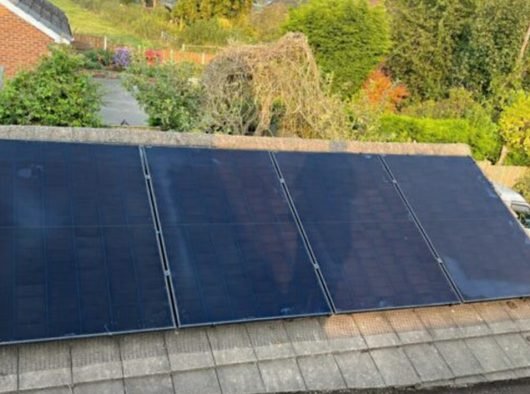
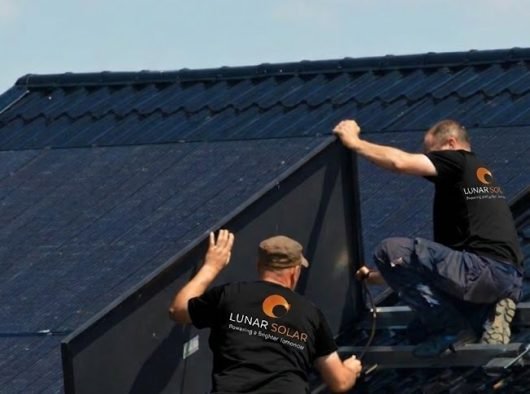
On-site installation is usually completed in 1 to 2 days. Our team handles all scaffolding, roof mounting, electrical wiring, and grid notifications with minimal disruption to your daily routine
Do i need planning permission to install solar panels on my roof?
In most cases, solar panels fall under Permitted Development and do not require formal planning permission. Exceptions apply if your home is a Listed Building or located in a designated Conservation Area.
What is MCS Certification and NAPIT Registration?
Microgeneration Certification Scheme (MCS) and NAPIT accreditations verify that your installer meets strict quality, safety, and performance standards. MCS certification is required to access SEG export payouts, while professional accreditation ensures your installation complies with 0%-VAT eligibility rules and validates full manufacturer warranties.

Battery Storage & EV Integration
Is adding a home battery storage system worth the extra cost?
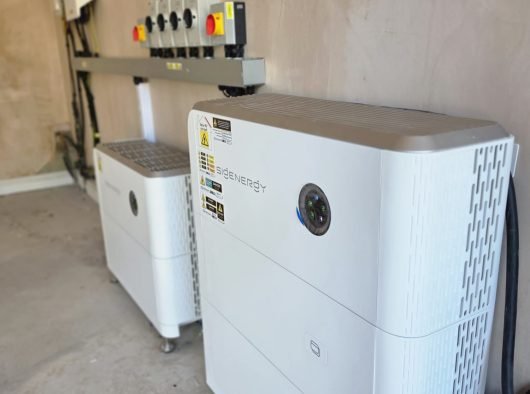
Adding a battery allows you to store excess daylight energy for use during evening peak hours. Depending on system size and household usage, this can significantly boost your energy independence—often reaching up to 85%—and substantially reduce grid reliance.
Can i integrate solar panels with my EV (Electric Vehicle) charger?
Yes. Smart EV chargers can be set to “Eco Mode” to charge your electric vehicle directly using surplus, self-generated solar energy.
Have More Questions About Your Roof?
Our engineers provide straight-talking advice with zero-sales pressure.